
The Pros and Cons of Touring Tires for Daily Commuters
Introduction
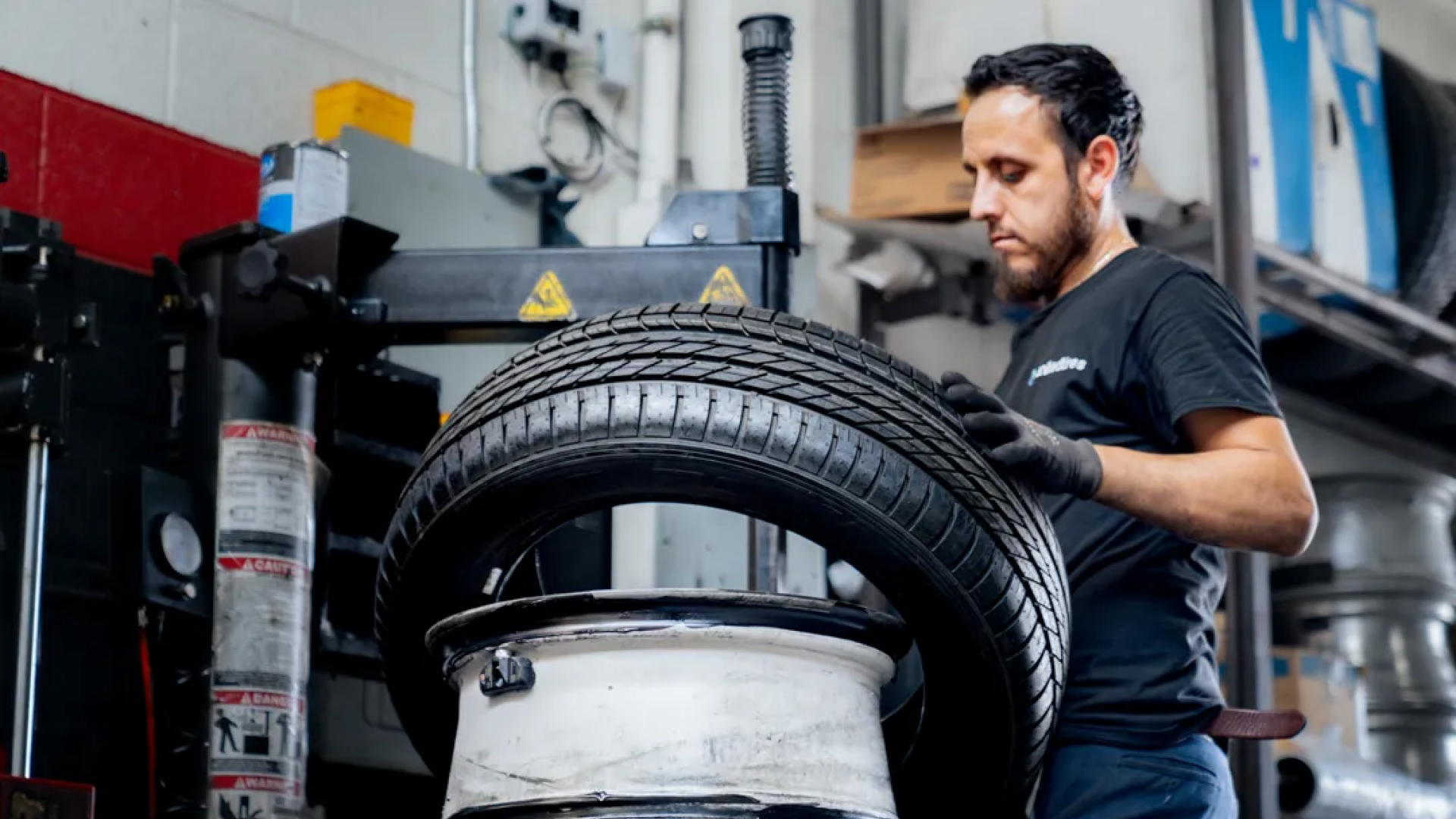
For many drivers, daily commuting means spending a significant amount of time on the road every week. Whether driving through city traffic, highways, or changing seasonal conditions, choosing the right tires can directly affect comfort, safety, fuel efficiency, and long-term vehicle performance. One of the most common options for commuters is touring tires, known for their smooth ride quality and dependable everyday handling.
But are touring tires the right choice for every driver? Many vehicle owners ask questions like “Why is professional tire installation important?” or “Can DIY tire mounting damage tires?” The truth is that even the best tires can perform poorly if they are installed incorrectly or paired with improper alignment or rims.
At Country Tire, drivers can explore both new tires and used tires while receiving professional tire installation, tire repair, tire alignment, and complete tire service support designed to maximize performance and safety.
Why DIY Tire Mounting Can Be Risky
Many drivers consider mounting tires themselves to save money. However, improper tire installation can create serious problems that affect safety, ride quality, and tire lifespan.
Drivers interested in understanding the hidden dangers of improper installation can also read Why Professional Tire Installation Matters: Hidden Risks of DIY Mounting.
Hidden Safety Risks of Incorrect Tire Installation
Improper mounting techniques may lead to:
Air leaks around the bead
Uneven tire wear
Tire vibration at higher speeds
Rim damage
Incorrect tire pressure
Reduced traction during wet or seasonal driving
Drivers often search, “What happens if tires are installed incorrectly?” The answer is simple: poor installation can compromise vehicle handling and increase wear on suspension components.
Professional tire installation helps ensure tires are mounted correctly, balanced properly, and inspected for compatibility with the vehicle’s rims and specifications.
Tire Pressure Concerns
Incorrect tire pressure is another common issue associated with improper installation. Underinflated or overinflated tires may affect:
Fuel efficiency
Braking performance
Tire tread wear
Steering responsiveness
A professional tire service can help verify that tire pressure is properly adjusted for daily commuting conditions. Drivers can also learn more about pressure-related safety concerns in The Dangers of Driving on Underinflated Tires.
What Are Touring Tires?
Touring tires are designed primarily for everyday driving comfort, predictable handling, and long tread life. They are commonly chosen by drivers who prioritize smooth highway driving, reduced road noise, and year-round commuting performance.
Quick Answer: Why Are Touring Tires Popular for Daily Commuters?
Touring tires are popular because they offer:
Comfortable ride quality
Lower road noise
Reliable traction
Longer tread life
Balanced everyday performance
They are often used on sedans, compact SUVs, and commuter vehicles.
Drivers comparing highway and city tire performance may also find value in reading How to Choose the Best Tires for City Driving vs Highway Driving.
Benefits of Touring Tires for Daily Driving
Comfortable Ride Quality
One of the biggest advantages of touring tires is driving comfort. These tires are engineered to absorb road imperfections better than many performance-focused tire options.
For commuters spending long hours on highways or city streets, this smoother ride can reduce driving fatigue significantly.
Lower Road Noise
Touring tires are typically designed with tread patterns that reduce noise levels. Drivers who commute regularly often appreciate quieter cabin conditions during longer drives.
Longer Tread Life
Compared to some performance tires, touring tires are commonly built for durability and longer mileage. This makes them attractive for drivers looking for long-term value.
Proper tire installation and routine tire alignment can further help maximize tread life and reduce uneven wear. Helpful maintenance advice can also be found in Why Rotating Your Tires Boosts Their Lifespan and How Long Do Tires Last.
Reliable Everyday Handling
Touring tires generally provide dependable traction and stable handling in normal driving conditions. For most daily commuters, they deliver a balanced combination of comfort and control.
The Downsides of Touring Tires
While touring tires work well for many drivers, they are not ideal for every situation.
Reduced Performance Driving Capability
Drivers looking for aggressive cornering or sporty handling may find touring tires less responsive compared to performance tires.
Touring tires prioritize comfort and tread life over high-speed performance.
Seasonal Limitations
Although some touring tires are designed for year-round use, severe winter conditions may require seasonal tire changes depending on local driving conditions.
Drivers preparing for winter conditions can explore When to Change to Winter Tires and Top Winter Tires for Severe Snow Conditions in 2025.
Less Off-Road Capability
Touring tires are designed mainly for paved roads and highway driving. Drivers frequently encountering rough terrain or off-road conditions may require different tire types.
Why Tire Alignment and Proper Fitment Matter
Many drivers overlook the importance of wheel alignment after installing new tires or used tires. However, tire alignment plays a major role in vehicle handling and tread wear.
What Is Tire Alignment?
Tire alignment refers to adjusting the vehicle’s suspension angles so the tires meet the road correctly.
Improper alignment may cause:
Uneven tire wear
Pulling to one side
Reduced fuel efficiency
Steering instability
Drivers can learn more in 5 Reasons Your Vehicle Needs a Tire Alignment After Installing New Tires.
Uneven Tread Wear
Uneven tread wear is one of the clearest signs that alignment or installation issues may exist.
Drivers often ask, “How do I know if my tires are mounted correctly?” Common warning signs include:
Steering wheel vibration
Vehicle drifting
Rapid tread wear
Noise while driving
Professional tire installation combined with proper alignment helps reduce these issues. Additional guidance is available in How to Identify and Fix Uneven Tire Wear.
Tire Balancing
Tire balancing is another critical step during installation.
Why Tire Balancing Matters
Balanced tires help:
Reduce vibration
Improve ride comfort
Protect suspension components
Extend tire lifespan
Skipping tire balancing may cause noticeable vibration at highway speeds. Drivers experiencing shaking while driving can learn more from Why Your Car Shakes at High Speeds: Could It Be Your Tires?.
Rim Compatibility
Choosing the right rims also matters when installing tires.
Incorrect rim sizing or improper fitment can negatively affect:
Tire seating
Handling
Air retention
Vehicle stability
Drivers can also explore How Rim Size Impacts Tire Performance, Comfort and Fuel Economy.
Choosing the Right New or Used Tires
Drivers often debate whether new tires or used tires are the better choice for commuting.
Benefits of New Tires
New tires may offer:
Full tread depth
Longer lifespan
Manufacturer quality standards
Current tire technology
Benefits of Used Tires
Professionally inspected used tires can be a cost-effective solution for some drivers.
Many commuters search, “Are used tires safe when professionally inspected?” In many cases, properly inspected used tires may provide practical value for everyday driving.
Drivers considering used tire options can also review How to Spot High-Quality Used Tires and Buying Used Tires: How Is Your Choice Going to Be?.
Understanding UTQG Ratings
The Uniform Tire Quality Grading system helps drivers compare tires based on:
Treadwear
Traction
Temperature resistance
Drivers can learn more about UTQG ratings and how they affect tire selection.
Why UTQG Information Matters
Understanding UTQG ratings can help commuters select tires that match their driving habits and performance expectations.
Drivers focused on long highway commutes often prioritize treadwear and traction ratings when selecting touring tires. Additional insights are available in The Truth About UTQG Ratings.
Seasonal Tire Considerations
Seasonal conditions can affect tire performance significantly.
Summer and Winter Driving Conditions
Temperature changes influence tire flexibility, traction, and stopping distance. Some drivers choose seasonal tires for better performance during extreme weather conditions.
Drivers can also explore How Seasonal Temperature Changes Affect Your Tire Performance and Cold Weather and Tire Pressure.
Professional tire installation ensures seasonal tire changes are completed safely and correctly.
When to Visit a Tire Professional
Drivers should consider professional tire service when experiencing:
Uneven tread wear
Tire vibration
Air pressure issues
Steering pull
Visible tire damage
Rim concerns
A local tire shop can inspect tires, recommend proper fitment, and provide installation and alignment support tailored to the vehicle’s needs.
Drivers looking for expert guidance can learn more about Country Tire, browse current hot deals, or explore additional educational resources on the Country Tire blog.
Frequently Asked Questions
Why should tires be professionally installed?
Professional tire installation helps ensure proper mounting, balancing, air pressure adjustment, and safe fitment to reduce uneven wear and handling issues.
Can improper tire installation affect alignment?
Yes. Incorrect installation may contribute to steering problems, uneven tread wear, and alignment-related driving issues.
Is tire balancing included with installation?
Tire balancing is commonly performed during professional tire installation to help reduce vibration and improve ride quality.
How often should tire alignment be checked?
Alignment should typically be checked when installing new tires, after hitting potholes, or when uneven tire wear or steering pull becomes noticeable.
Are used tires safe when professionally inspected?
Professionally inspected used tires may provide a practical option for some drivers when tread condition and overall tire quality meet safety standards.
Can DIY tire mounting damage tires?
Yes. Improper mounting tools or techniques may damage the tire bead, rims, or internal tire structure.
How do I know if my tires are mounted correctly?
Properly mounted tires generally provide smooth handling, stable steering, even tread wear, and minimal vibration during driving.
Conclusion
Touring tires can be an excellent option for daily commuters looking for comfort, reliable handling, lower road noise, and long-lasting tread life. However, choosing the right tires is only part of the equation. Professional tire installation, tire balancing, proper rim compatibility, and accurate tire alignment all play important roles in vehicle safety and long-term performance.
Whether selecting new tires or professionally inspected used tires, working with experienced tire professionals can help drivers avoid uneven wear, vibration, and handling problems while improving overall driving confidence.
Call-To-Action
If you are considering touring tires for your daily commute, contact Country Tire to explore available new tires, used tires, rims, tire repair services, tire alignment, and professional tire installation support. Drivers can also conveniently book tire services online for fast, professional assistance tailored to everyday driving needs.