
What Causes Tire Dry Rot and How to Prevent It
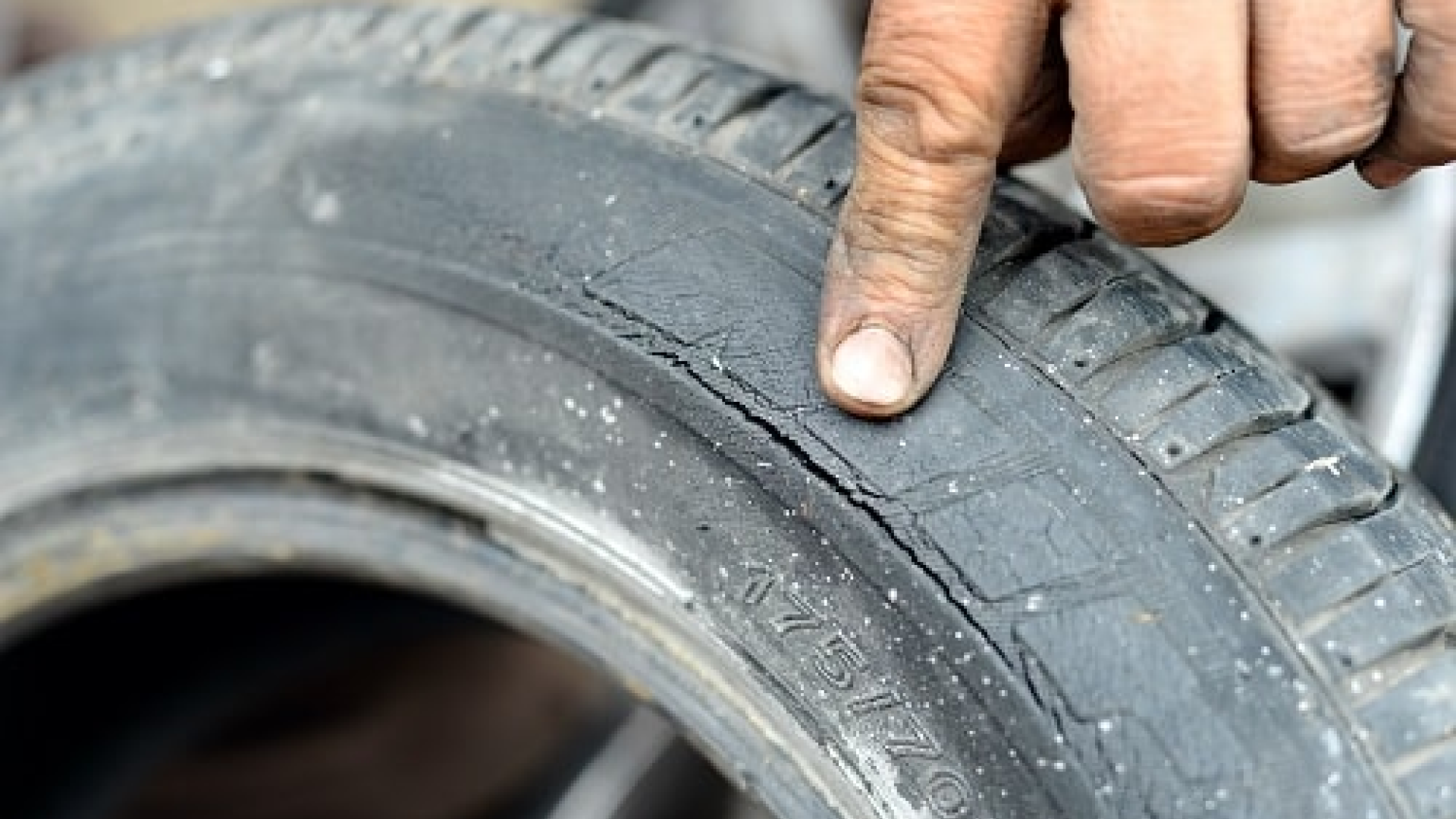
If you’ve ever noticed small cracks forming on your tires, you might be dealing with tire dry rot. It’s a common issue that can affect both new tires and used tires, especially when they’re not properly maintained. At Country Tire, we often help local drivers catch early signs of dry rot and prevent costly replacements down the road.
Let’s break down what causes tire dry rot and how you can protect your investment.
What Is Tire Dry Rot?
Tire dry rot happens when the rubber in your tires begins to break down over time. Instead of staying flexible and strong, the rubber becomes brittle, leading to visible cracks along the sidewall or tread.
This kind of damage can impact performance and safety, which is why regular inspections and proper care are so important. If you want to understand how long tires typically last, check out this helpful guide on tire lifespan.
Common Causes of Tire Dry Rot
Understanding what leads to dry rot can help you avoid it altogether.
Exposure to Sunlight and Heat
Constant exposure to heat and sunlight can accelerate the breakdown of tire rubber. Over time, this causes the material to dry out and crack. Learn more about how environmental factors contribute in this article on weather and tire aging.
Infrequent Driving
Tires are designed to be used. When a vehicle sits for long periods, the rubber doesn’t flex as intended, which can lead to premature drying and cracking. Even occasional short drives can help maintain tire flexibility.
Low Tire Pressure
Improper tire pressure can stress certain areas of the tire, making them more vulnerable to damage. Staying on top of pressure checks is essential—especially when considering the risks outlined in this guide on underinflated tires.
Aging Tires
Even if your tires look fine, rubber naturally degrades over time. Checking the manufacturing date is key—this guide on tire date codes explains how to do it properly.
Signs Your Tires May Have Dry Rot
Catching dry rot early can help you avoid bigger problems.
Small cracks on the sidewall
Fading or discoloration
Brittle or rough rubber texture
Reduced performance or handling
If you notice any of these signs, it’s a good idea to have your tires checked by a professional or explore expert tips on identifying tire damage.
How to Prevent Tire Dry Rot
The good news is that tire dry rot is often preventable with a few simple steps.
Drive Your Vehicle Regularly
Regular driving helps keep the rubber flexible and in good condition. Even short trips can make a difference.
Maintain Proper Tire Pressure
Keeping your tires properly inflated reduces unnecessary stress and supports even wear. You can also explore how pressure impacts efficiency in this guide on fuel economy and tire pressure.
Store Your Vehicle Properly
If your vehicle is parked for long periods, try to keep it in a shaded or covered area. Proper seasonal storage also matters—learn more about storing tires correctly.
Schedule Professional Tire Services
Routine services like tire repair, tire alignment, and tire installation can help identify early issues and extend tire life. You can also easily book your service online for convenience.
Why Professional Tire Care Matters
Dry rot isn’t always obvious at first glance. That’s where professional service comes in.
Expert Inspection
A trusted shop like Country Tire can identify early signs of damage that may not be visible to the untrained eye.
Proper Installation and Maintenance
Whether you’re purchasing new tires or choosing from quality used tires, proper installation plays a key role in long-term performance. You can also explore tire ratings like UTQG to make better choices.
Finding the Right Fit
Understanding components like rims and tire specifications ensures your vehicle performs safely and efficiently.
Stay Ahead of Tire Damage
Tire dry rot can sneak up on you, but with the right care, it’s avoidable. By staying proactive and exploring more tips on the Country Tire blog, you can extend the life of your tires and keep your vehicle running safely.
If you’re unsure about your tire condition or want expert advice, don’t hesitate to get in touch or check out the latest hot deals to keep your vehicle road-ready.